Vertebrate Fossils | Aurora Fossil Museum
To date: 291 vertebrate species have been identified, that number continues to grow with the advancement of scientific study.


Vertebrate Fossils
Our Collections:
Collections,
Shark Fossils,
Stingray Fossils,
Cetacean Fossils
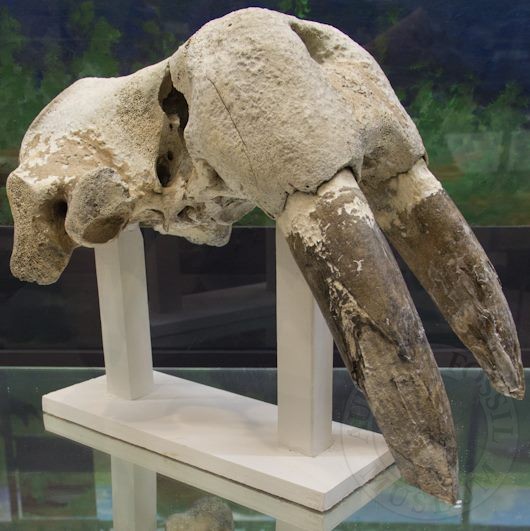
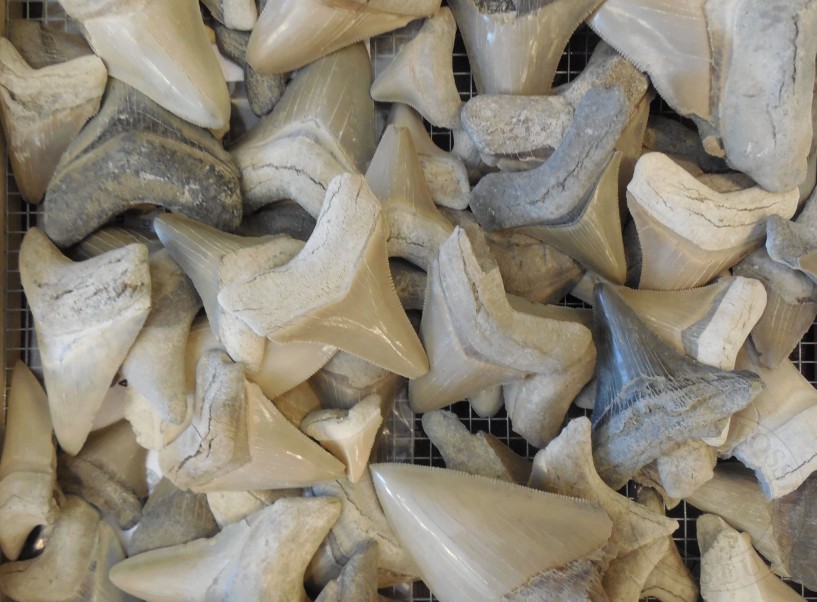
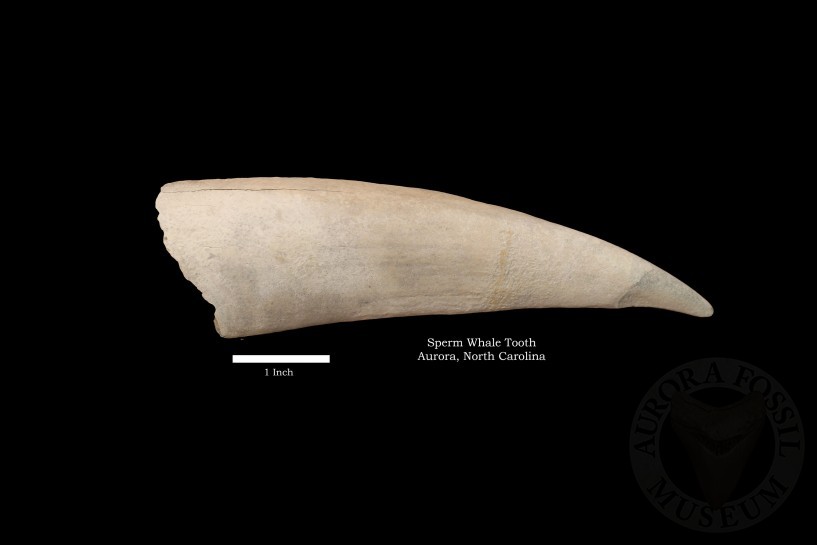
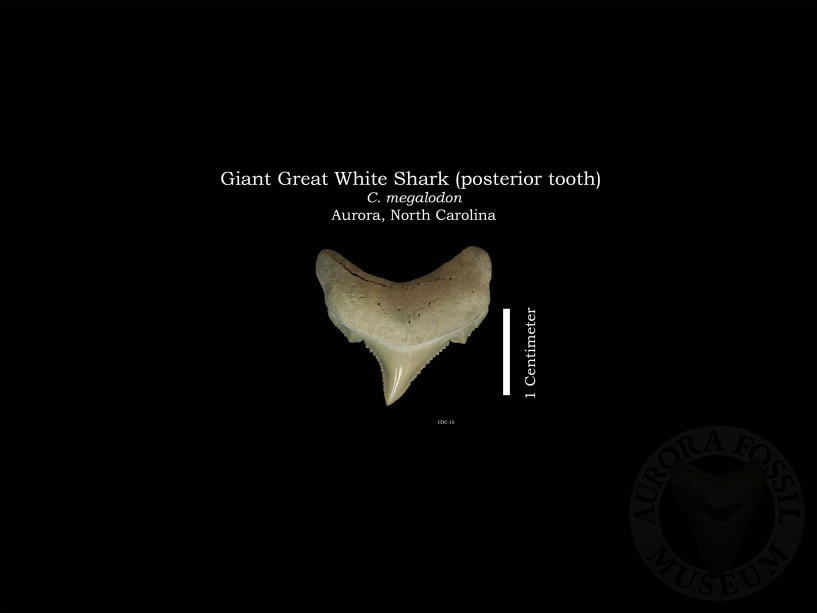
A Whale of a Challenge
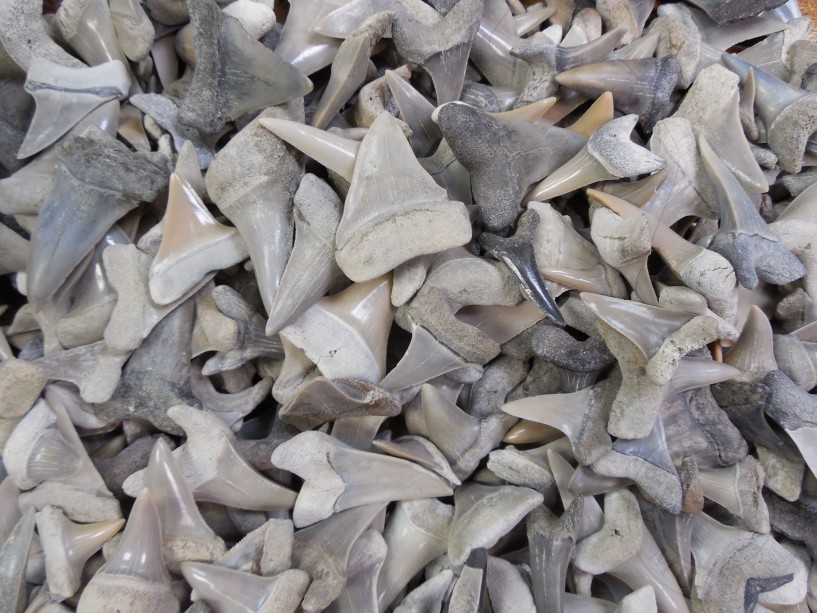
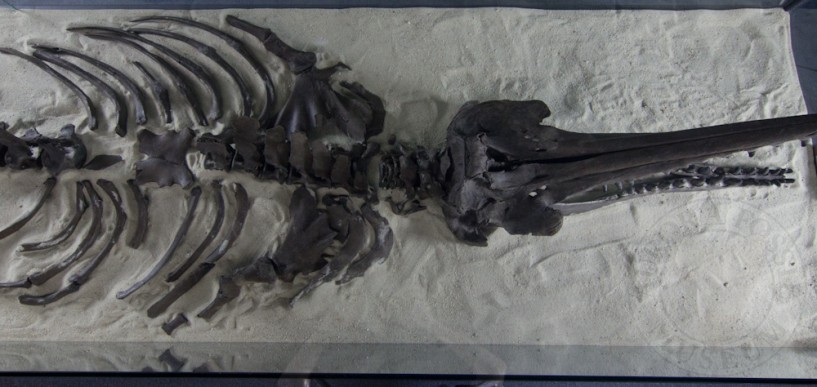
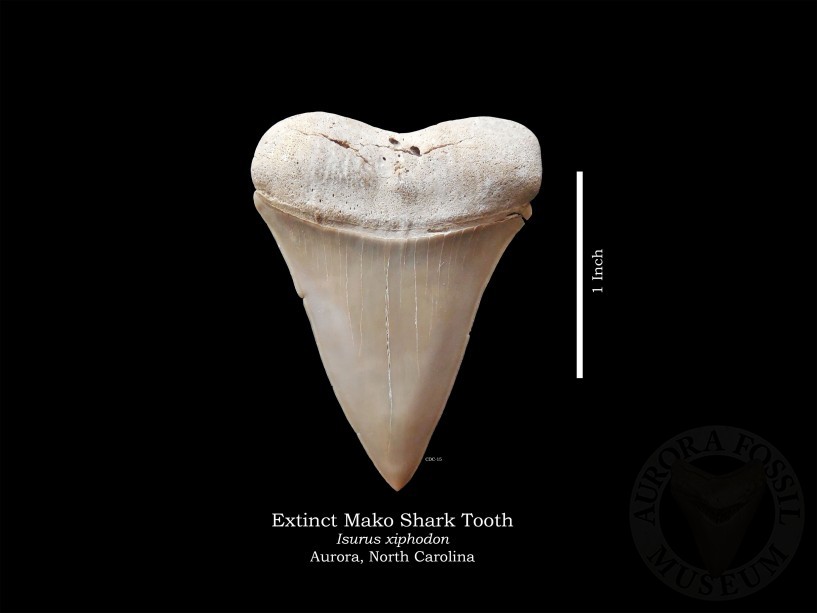
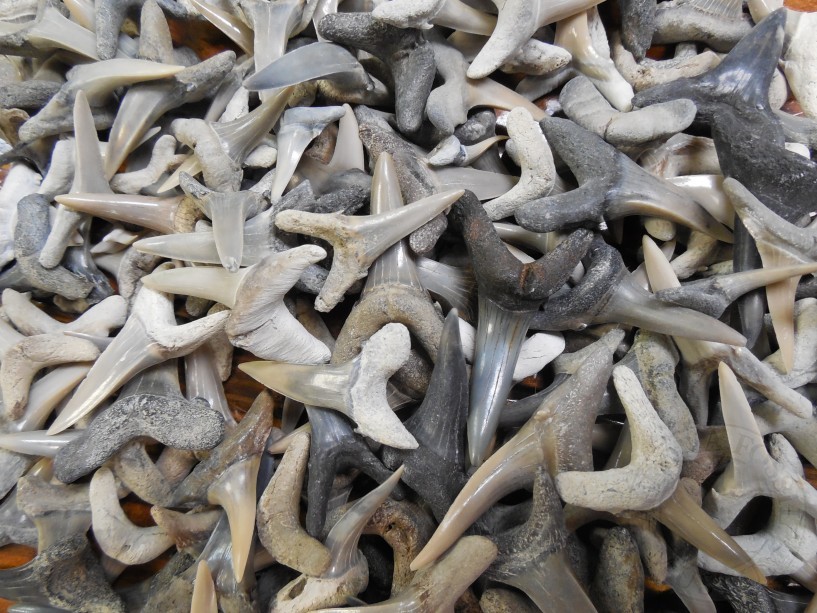
"Few of the countless individual animals of the past have been preserved to us as fossils." Alfred Sherwood Romer, 1966. A key detail that makes the Nutrien-Aurora Phosphate Mine unique is the vast number of fossilized vertebrate species. The fact that a limited number of species actually become fossils upon death makes the Aurora, North Carolina fossil fauna scientifically significant. To date, 291 vertebrate species have been identified from the Nutrien-Aurora Phosphate Mine. That number continues to grow with the advancement of scientific study and includes sharks, rays, whales, seals, porpoises, fish, marine birds, turtles, and crocodiles. • Birds: 112 • Fish: 104 • Mammals: 63 • Reptiles: 12 Text by C. Crane, 2015 Purdy, Robert W. et al 2001 "The Neogene Sharks, Rays and Bony Fishes from Lee Creek Mine, Aurora, North Carolina" Geology and Paleontology of the Lee Creek Mine, North Carolina III, Clayton Ray & David Bohaska eds., Smithsonian Contributions to Paleobiology, No.90; Smithsonian Institution Press, Washington DC, pp.71-202 Ray, Clayton E., David J. Bohaska, Irina A. Koretsky, Lauck W. Ward, and Lawrence G. Barnes, eds. Geology and Paleontology of the Lee Creek Mine, North Carolina, IV. Martinsville, VA: Virginia Museum Of Natural History, No. 14, 2008. Print. Romer, Alfred S. Vertebrate Paleontology, Third Edition. Chicago: The University Of Chicago Press, 1966. Print. Related LinksShark Fossils• Lee Creek Parotodus • Megalodon • Shark Tooth Identification • Shark Dentitions • Stingray Fossils •Cetacean Fossils • Whale of a Challenge |